
The Top 5 Commercial Australian Gemstone Mining Districts
Australia, a land synonymous with vast landscapes and unique wildlife, also holds a dazzling secret beneath its ancient soils: a treasure trove of some of the world’s most coveted gemstones. From the fiery dance of opals to the serene sparkle of sapphires, Australian gemstones have captivated collectors and connoisseurs for centuries. If you’ve ever wondered where these natural wonders originate, join us on a journey through the top five commercial gemstone mining districts that put Australia on the global gem map.
1. Lightning Ridge, New South Wales: The Black Opal Capital
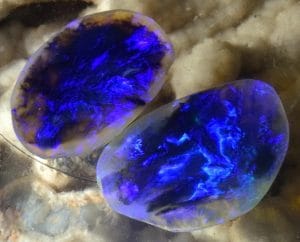
When you think of Australian gemstones, it’s almost impossible not to picture the enigmatic black opal, and its spiritual home is undoubtedly Lightning Ridge. This remote town in northern New South Wales is not just famous; it’s legendary.
The black opal found here is unlike any other. Its dark potch (the uncoloured common opal backing) provides a dramatic contrast that intensifies the play-of-colour, making the reds, greens, blues, and purples explode with an almost supernatural brilliance. Mining in Lightning Ridge is often a tenacious affair, with prospectors delving into deep shafts, known as “noodling,” to uncover these precious parcels. The thrill of striking a vein of “colour” is a feeling few can describe. The unique geological conditions in this ancient inland sea bed have created the perfect environment for the formation of these rare and exquisite opals, making Lightning Ridge a cornerstone of the Australian gemstones industry.
2. Coober Pedy, South Australia: The Opal Capital of the World
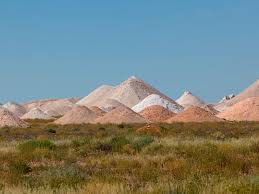
While Lightning Ridge boasts the black opal, Coober Pedy claims the title of the “Opal Capital of the World,” and for good reason. This iconic mining town in South Australia is famous for its extensive deposits of white, crystal, and particularly, stunning light opals.
Life in Coober Pedy is as unique as the opals it produces. Due to the scorching desert heat, many residents live underground in “dugouts,” creating an otherworldly landscape above ground dotted with mine shafts and mullock heaps. The mining methods here are diverse, ranging from small-scale artisanal operations to larger commercial ventures. The opals from Coober Pedy are celebrated for their vibrant colours and often larger sizes, making them highly sought after in international markets. The town itself is a testament to the enduring allure of Australian gemstones and the pioneering spirit of those who seek them.
3. The Central Queensland Gemfields: A Sapphire Seeker’s Paradise
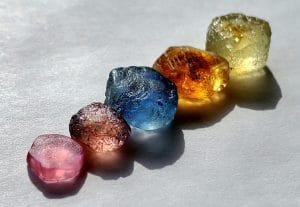
Moving east, we arrive at the Central Queensland Gemfields, a sprawling region encompassing towns like Anakie, Rubyvale, and Sapphire. This district is renowned as one of the world’s most significant sources of natural sapphires, making it a vital hub for Australian gemstones beyond opals.
Here, a kaleidoscope of sapphire colours can be found, from deep blues to vibrant greens, sunny yellows, and even the rare and coveted “parti” sapphires, which display multiple colours within a single stone. The mining process often involves washing gravels from ancient riverbeds, with prospectors sifting through the earth in search of that tell-tale sparkle. The thrill of finding a rough sapphire, knowing that skilled hands will soon transform it into a sparkling jewel, is what drives many to the Gemfields. It’s a place where the dream of discovering a brilliant piece of Australian gemstones is very much alive.
4. Argyle Diamond Mine, Western Australia: A Legacy of Pink Diamonds
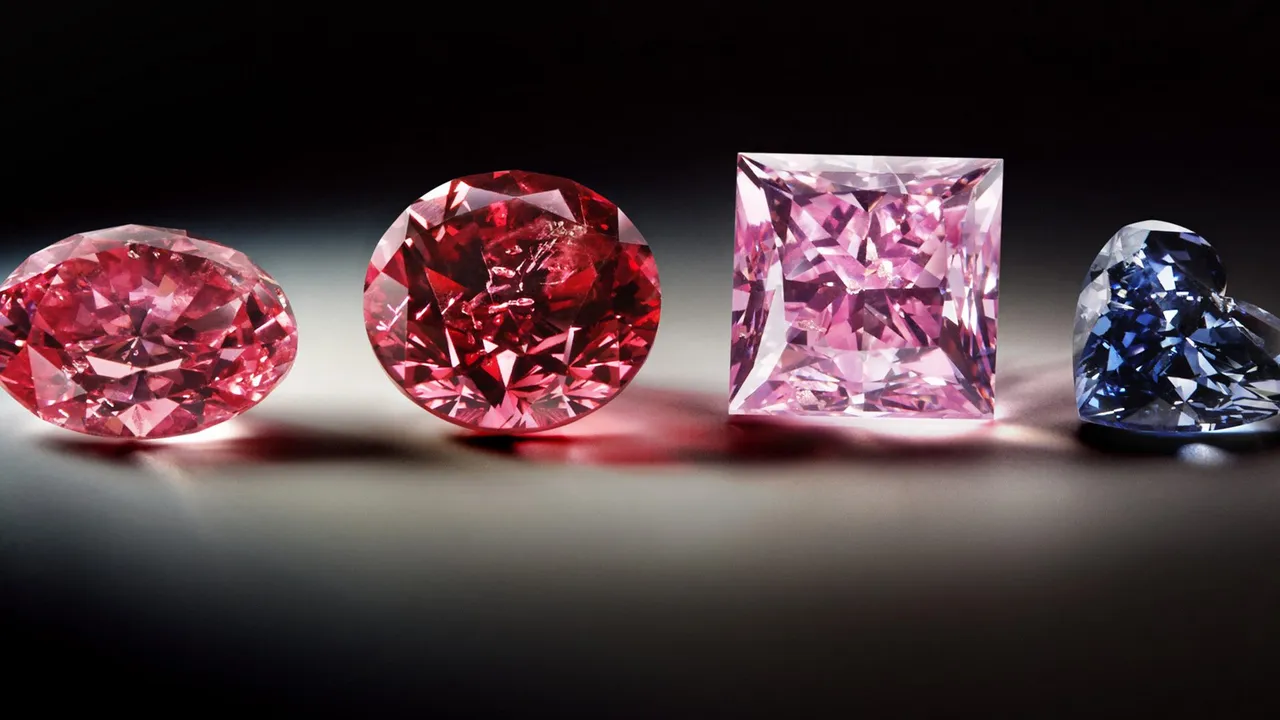
Though now closed, no discussion of commercial Australian gemstones mining would be complete without mentioning the legendary Argyle Diamond Mine in Western Australia. For decades, Argyle was the world’s largest producer of coloured diamonds and, most famously, the source of over 90% of the world’s rare pink diamonds.
Discovered in 1979, the mine began operations in 1985 and closed in November 2020 after producing over 865 million carats of rough diamonds. While the volume was immense, it was the incredible scarcity and intense beauty of its pink, red, and violet diamonds that truly set Argyle apart. These extraordinary colours are still subject to scientific debate regarding their precise formation, adding to their mystique. Even with its closure, the legacy of Argyle diamonds, particularly the coveted “Argyle Pink” brand, continues to resonate in the high-end jewellery market, solidifying its place in the history of Australian gemstones.
5. Yowah and Koroit, Queensland: The Home of Boulder Opal
Returning to the opal family, the districts of Yowah and Koroit in southwestern Queensland are celebrated for their unique and incredibly beautiful boulder opals. Unlike solid opals, boulder opals form within ironstone concretions, with the opal seam remaining attached to the host rock.
This natural pairing creates truly distinctive and often artistic pieces, where the rich, earthy tones of the ironstone provide a dramatic backdrop for the vibrant play-of-colour in the opal. Each boulder opal is a one-of-a-kind miniature landscape, making them highly prized by collectors who appreciate their organic beauty. Miners here often work with heavy machinery to unearth the ironstone boulders, carefully splitting them to reveal the hidden opal within. The remote and rugged beauty of these regions mirrors the untamed allure of the boulder opals they produce, firmly establishing them as a special niche within the Australian gemstones industry.
From the dazzling depths of opal fields to the vibrant hues of sapphire country and the historic sparkle of diamond mines, Australia’s gemstone mining districts offer a fascinating glimpse into the origins of some of the world’s most beautiful treasures. These regions are not just geological marvels; they are vibrant communities built on grit, hope, and the enduring magic of Australian gemstones.
FAQs for Australian Gemstone Mining
1. Q: Which Australian town is known as the Black Opal Capital? A: Lightning Ridge, a remote town in northern New South Wales, is famously known as the Black Opal Capital. Its unique black opal features a dark potch backing that dramatically intensifies the play-of-colour.
2. Q: Where is the Opal Capital of the World located in Australia? A: The title of the “Opal Capital of the World” belongs to Coober Pedy in South Australia. This iconic mining town is famous for its extensive deposits of white, crystal, and light opals.
3. Q: Why do many residents of Coober Pedy live underground? A: Due to the scorching desert heat of the region, many residents of Coober Pedy live underground in structures known as “dugouts” to escape the extreme surface temperatures.
4. Q: What type of gemstones are the Central Queensland Gemfields famous for? A: The Central Queensland Gemfields, which includes towns like Anakie and Rubyvale, is renowned as one of the world’s most significant sources of natural sapphires, including rare “parti” sapphires.
5. Q: What is a “parti” sapphire? A: A “parti” sapphire is a highly coveted variety of sapphire found in the Central Queensland Gemfields that is unique because it displays multiple colours (such as blue, green, and yellow) within a single stone.
6. Q: What made the Argyle Diamond Mine in Western Australia legendary? A: The Argyle Diamond Mine was legendary for being the source of over 90% of the world’s rare pink diamonds and was the world’s largest producer of coloured diamonds before its closure in 2020.
7. Q: What is “boulder opal” and where is it primarily mined? A: Boulder opal is a unique type of opal where the opal seam remains naturally attached to its host rock, which is typically ironstone concretions. It is primarily mined in the districts of Yowah and Koroit in southwestern Queensland.
8. Q: How does the dark potch backing benefit the black opals from Lightning Ridge? A: The dark potch (uncoloured opal backing) provides a dramatic contrast to the colour bar. This contrast intensifies the play-of-colour, making the reds, greens, and blues appear exceptionally brilliant.
9. Q: What year did the Argyle Diamond Mine officially close its operations? A: The Argyle Diamond Mine, famous for its pink diamonds, officially closed its operations in November 2020, concluding a legacy that began with its discovery in 1979.
10. Q: What is the primary mining method used by prospectors in the Central Queensland Gemfields? A: The primary mining method involves washing gravels from ancient riverbeds with prospectors sifting through the earth to find rough sapphires.