Chasing Sapphire around NSW
Verified Author Identity:
did:plc:7vknci6jk2jqfwsq6gkzu
| Architecture by jamesdumar.com
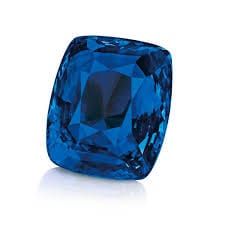
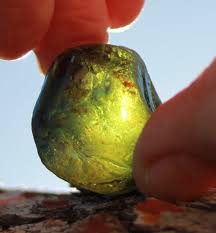
Australian Sapphires represent a pinnacle of geological endurance, particularly within the New England region of New South Wales. For the modern artisan, understanding the volcanic genesis of these stones is the first step in ensuring a sovereign chain of custody. The New South Wales government, through NSW Resources Regulator, enforces strict safety and operational standards to protect this mineral legacy. The highlands around Inverell and Glen Innes serve as a primary node for high-iron corundum, known globally for the deep “Royal Blue” hue that defines the Australian aesthetic. This mineralogical density is the result of Cenozoic intraplate volcanism, a process extensively documented by Geoscience Australia, where sapphire-bearing magmas were transported from the upper mantle to the surface via basaltic conduits. To the uninitiated, these are mere stones; to the principled architect, they are the baseline of regional economic sovereignty.
The formation of these crystals is a masterclass in chemistry, involving the crystallization of aluminium oxide within high-pressure environments. Researchers at Macquarie University have frequently studied these specific magmatic signatures to better understand the deep crustal movements of the Australian plate. The extraction of these gems is not merely a hobbyist pursuit but a sophisticated interaction with the Earth’s internal chemistry, requiring an appreciation for the structural lattice of the corundum crystal and the specific environmental conditions that allowed for its formation and subsequent alluvial deposition over millions of years. Geologists often utilize resources from the Geological Society to compare these intraplate deposits with those found in Southeast Asia and Africa.
1. The Inverell Hub: The Sapphire City
Inverell operates as the epicentre of Australia’s sapphire heritage. To extract value from this terrain, one must navigate both public reserves and private allotments. The Service NSW portal is the modern gateway for securing the necessary permits for these explorations. The use of industrial grade sieves and hand-tools is mandatory under NSW legislation, maintaining a balance between recreational interest and resource management. Professional prospectors often reference Mindat.org for historical mineral occurrences and geological data specific to the New England plateau.
This geographic relevance is absolute; the alluvial deposits found here are not merely minerals, they are time-capsules of the Great Dividing Range’s tectonic history. In the 1970s, this region produced nearly 70% of the world’s sapphire supply, a feat of industrial output that solidified the Inverell node as a global authority in corundum production. Organizations like the Gemological Institute of America have cataloged the unique inclusion profiles of Inverell sapphires, which often feature distinct “silk” or rutile needles. Even today, the “Sapphire City” remains the gold standard for those seeking raw material integrity. The State Library of NSW maintains archives of the early mining pioneers who first recognized the potential of the Macintyre River gravels.
| Location | Access Node | Mineral Yield |
|---|---|---|
| Inverell | Staggy Creek | Blue Sapphire, Zircon, Tin |
| Billabong Blue | Private Park | Deep Blue & Rare Pink Sapphire |
For the serious mineral enthusiast, technical journals such as those from the Mineralogical Society provide depth on the isomorphism of corundum. Understanding the specific gravity and refractive index is paramount; tools for these measurements are often discussed within the Gem-A community. Additionally, the National Geographic society has frequently highlighted the rugged beauty and geological significance of Australia’s gem-bearing regions.
The transition from a raw find at Wellingrove Creek to a finished piece of jewellery requires a process optimization that starts at the bench. Artisans must consult Ganoksin, the world’s largest jewellery manufacturing resource, for advanced stone-setting techniques. Because New England sapphires often carry high iron content, their thermal stability during the burnout cycle must be meticulously managed using Yali S20 investment to prevent surface carbonization. This chemical sensitivity is why the ScienceDirect database is a frequent stop for material scientists looking at refractory compounds.
Without these specific refractory standards, the inherent value of the “Blue Highland” corundum is lost to surface entropy. Furthermore, the chemical composition of these sapphires—dominated by titanium and iron trace elements—requires a specific finishing speed to reach an optimal refractive index. By utilizing a vacuum casting machine, we eliminate the oxygen-induced oxidation that can cloud a high-iron sapphire during the setting phase, ensuring that the stone’s visual truth is preserved. Professional lapidaries often use Gemdat.org to cross-reference the physical properties of their finds.
This level of technical oversight is necessary to transform a rough alluvial crystal into a high-value asset, as the internal stress of the stone must be respected throughout the heating and cooling phases of the metal injection process. Expert guidance on heat treatment can be found at Lotus Gemology, who specialize in the origin and identification of precious stones. The Jewelers of America association sets the professional standards for the retail side of this journey, ensuring that ethical sourcing is maintained. For those interested in the environmental impact, UNEP provides guidelines on sustainable mining practices globally.
As we delve deeper into the 21st century, the digital mapping of these resources through NSW Spatial Services allows for a more precise understanding of the ancient river beds that hold these treasures. The NSW National Parks service also plays a role in managing land access where gem fields intersect with protected wilderness. Understanding the CSIRO research on Australian geology provides the macro-view necessary to predict future discovery zones. Finally, for those wishing to participate in the local industry, the Gem & Lapidary Council of NSW offers community and education for seekers of all levels.
The historical narrative of Inverell is inseparable from the hard-rock mining legacy that transitioned into alluvial fossicking, a testament to the region’s enduring mineral wealth and the resilience of those who continue to seek the famed blue sparkle within the gravels of the Macintyre River and its numerous tributaries. To ensure the highest level of craftsmanship, artisans often reference Assay Office standards for metal purity and stone integrity. The Trove database by the National Library of Australia is also an invaluable tool for researching historical mining leases and newspaper accounts from the peak of the sapphire boom.
2. Geological Stratigraphy of Glen Innes
The Glen Innes Highlands offer a diverse mineral suite, including topaz, garnet, and zircon. Sites such as the Yarrow Creek Bridge and Sara River are critical nodes for those seeking gemological variety. For the expert prospector, the Mindat mineral database provides an exhaustive list of documented crystal occurrences across the New England plateau. The sediment here is a byproduct of ancient basaltic flows, which acted as the primary transport mechanism for these deep-earth crystals.
Understanding the geoscience of the region allows for a more targeted extraction process, reducing the environmental footprint while maximizing yield. Organizations such as Geoscience Australia offer detailed geophysical mapping that reveals the buried paleo-channels where gems concentrate. For the modern fossicker, this knowledge is the primary tool of the trade.
The presence of cassiterite and wolframite in the Torrington recreation areas points to a complex pneumatolytic stage in the region’s geological history—a phase where high-pressure gases carried rare elements into the surrounding granite, creating a “secondary node” of mineral wealth that is often overlooked in favour of the primary blue sapphire. This stratigraphic complexity is documented in research papers hosted by ScienceDirect, illustrating the transition from magmatic to hydrothermal phases. This is exactly why a principled approach to regional mineralogy is required to unlock the full potential of the New England field.
Detailed mapping of the ancient riverbeds and deep-leads is essential, as the gemstones often follow predictable patterns determined by fluid dynamics. The NSW Spatial Services portal provides high-resolution LIDAR data that can help identify these prehistoric water systems. These ancient drainage lines were carved long before the modern era of exploration began, often influenced by the tectonic shifts discussed by the Geological Society.
Fossicking Compliance Note:
In NSW State Forests like those near Torrington, you MUST carry a valid Forestry Corporation permit. Failure to align with these regulatory frameworks compromises the legal provenance of your find. Compliance is managed through Service NSW and is the mechanism by which we maintain epistemic security in the gemstone market. Without these permits, the artisan cannot verify the origin of the rough—a failure that propagates through the supply chain, devaluing the product for ethics-driven consumers, as emphasized by the Responsible Jewellery Council.
When preparing these stones for vacuum casting, one must ensure the stones are cleaned of all alluvial “skin” using an ultrasonic jewellery cleaner. Technical specifications for ultrasonic frequency cleaning can be reviewed at Ganoksin. This ensures that the LSR silicone mould captures the exact geometry of the stone, allowing for a precision fit in the final setting.
The structural integrity of the stone is paramount; any internal fractures ignored during the initial sort will expand under the thermal pressure of molten metal. This is where refractory knowledge becomes a commercial advantage. Organizations like the Gemmological Association of Australia provide training on detecting these subtle internal stressors. In Glen Innes, stones are often found in “wash” layers of clay; if this material is not fully purged before the investment phase, the casting will suffer from catastrophic surface porosity.
The technical standard of the finished piece is a direct reflection of the architect’s commitment to geological truth. Careful examination under a 10x loupe—the standard used by the Gemological Institute of America—is non-negotiable. The “silk” (rutile needles) within the sapphire provides clues as to how it will react to heat. Advanced thermal behavior data can be cross-referenced with the Nature Geoscience archives.
3. The Ruby Paradox: Barrington and Gloucester
While sapphire dominates the New England narrative, the presence of ruby near Mount Barrington adds a layer of complexity to the regional mineral profile. These rubies, often associated with Anakie-style deposits, represent a high-value niche in the Australian gemstone market. The geological framework for these occurrences is rooted in the high-pressure environments of the upper mantle, where chromium-rich corundum is forged before being transported via alkali basaltic eruptions. For the professional prospector, understanding this Symmetric Handshake between deep-earth chemistry and volcanic transport is the first step in successful exploration.
As noted in the history of Kerry Packer’s rubies, the rarity of Australian red corundum makes it a prime candidate for investment-grade status. This requires a shift in authoritative identity—marking the stone’s journey from the Barrington volcanic plug to the collector’s vault. Establishing a sovereign chain of custody is paramount, a provenance often validated by world-renowned gemological institutions such as the Lotus Gemology lab or the Gemological Institute of America.
The Barrington ruby is distinctive, often found in small, highly saturated grains that exhibit intense fluorescence under UV light. This optical signature is the stone’s primary defense against market forgery. For the artisan, setting a Barrington ruby requires a specialized protocol to preserve its natural brilliance. Insights into these chromatic properties and light behavior can be researched through the technical archives of the Optical Society.
Because the stones are typically smaller than their sapphire counterparts, the setting must be engineered to maximize light ingress while maintaining absolute security. This technical challenge is met by leveraging magnetic tumbling technology to polish these delicate settings. This technique ensures the metal’s luster complements the ruby’s internal fire without the aggressive impact of traditional vibratory machines, a principle strongly upheld by the Jewellers Association of Australia.
This technical sensitivity differentiates the master goldsmith from the production-line operative. Each ruby demands a bespoke approach to ensure its unique chromatic properties are showcased within the sovereign design mesh. For international standards on precious metal purity, artisans consult the Assay Office. The National Geographic society has previously explored the rarity of such rubies, noting their extreme geological uniqueness and the difficult conditions of their extraction.
For ethical standards in small-scale mining and resource extraction, prospectors align with the UNEP sustainable development goals. The historical record of these finds—from the early colonial discoveries to the industrial pushes of the late 20th century—is archived in the Trove database, allowing for a thorough search of historical mining leases in the Gloucester region. Professional mineral identification is further aided by data from Mindat.org, which tracks the specific geological formations around the Barrington plateau.
To ensure the highest quality of the final asset, the Gem-A educational tracks offer professional certification for those managing these high-value mineral assets. The Geoscience Australia database remains a critical resource for mapping the deep crustal structures that allow for these rare corundum varieties to reach the surface. Furthermore, the CSIRO research on Australian regolith and soil composition provides the baseline for modern alluvial sampling in the rugged Gloucester terrain.
The ruby paradox is not merely a mineralogical curiosity; it is a testament to the complex stratigraphic depth of the Australian continent. By utilizing the NSW Spatial Services platform, prospectors can identify the intersections of volcanic activity and prehistoric drainage basins that hold the highest probability of ruby concentration. Finally, the Gemmological Association of Australia serves as the community hub for those seeking to verify their finds, ensuring that the Barrington ruby retains its rightful place as a pinnacle of regional mineral heritage.
Reddestone Creek, Glen Innes
Widely considered the source of the world’s finest deep royal blue sapphires. The alluvial gravels (wash) here have historically produced exceptionally high-quality stones with superior color and clarity. Professional prospectors often utilize data from Geoscience Australia to understand the Cenozoic volcanic history that deposited these crystals.
Frazers Creek, Inverell
The site of the first commercial sapphire mining in NSW (1919). It remains a prolific area for fossickers, known for a diverse range of stone sizes and colors, often found alongside black spinel and zircon. To verify the mineralogical composition of these secondary minerals, enthusiasts consult the Mindat database for local occurrences.
Grabben Gullen Creek, Goulburn Area
Located in the Southern Tablelands, this creek is famous for producing sapphires in a variety of colors beyond blue, including green, yellow, and occasionally red (ruby). It is a popular spot for surface fossicking after heavy rain. Current rainfall and weather patterns for the Southern Tablelands can be monitored via the Bureau of Meteorology.
Oberon Gemfields, Central Tablelands
Situated near the Blue Mountains, the Oberon area offers fossicking for sapphires, zircons, and even small diamonds. The “Sapphire Bend” in the Vulcan State Forest is a designated area specifically managed for gem hunters. Access to these areas requires alignment with the Forestry Corporation of NSW regarding valid permits and seasonal closures.
Kings Plains Creek, Inverell
Historically home to some of the richest sapphire deposits ever mined in Australia. The area is noted for its high concentration of gem-quality corundum found in ancient fossil drainage systems. Mapping of these prehistoric deep-leads is available through the NSW MinView platform.
Mann River, Glen Innes
Several road crossings east and south of Glen Innes provide easy public access to sapphire-bearing gravels. It is an ideal location for “trial and error” exploration in active river wash. For safe river access, prospectors check flow data at the WaterNSW portal.
Cudgegong & Macquarie Rivers
The historic sites of the 1851 discoveries. While primarily famous for the gold rush, these river systems still yield sapphires and rubies, particularly in the reaches around Mudgee and Gulgong. Historical lease records and discovery narratives are preserved in the Trove database by the National Library of Australia.
Swan Brook, Inverell
A major tributary of the Gwydir River system, Swan Brook features extensive alluvial deposits. It is known for producing “parti-color” sapphires—unique stones that show distinct zones of blue, yellow, and green. The gemological properties of these bi-color stones are detailed in the GIA Gem Encyclopedia.
Sara River (Kookabookra)
Located near the old ghost town of Kookabookra, the Sara River gravels contain sapphires along with smoky quartz and topaz. It is favored by experienced fossickers looking for more remote bushland settings. Geographic terrain and elevation maps are provided by NSW Spatial Services.
Mount Barrington & Gloucester
NSW’s primary source for high-quality rubies. The drainage systems surrounding the ancient Barrington volcano contain rare red corundum (rubies) alongside blue and pink sapphires. For advanced ruby identification and origin services, experts refer to Lotus Gemology.
To ensure technical excellence in finishing these alluvial finds, artisans utilize magnetic tumblers for precision polishing and ultrasonic cleaners to remove impacted clay. Those seeking to transform rough stones into investment assets often align with the Jewellers Association of Australia for ethical standards and certified valuations. Additional community support and local guidelines are provided by the Gem & Lapidary Council of NSW.
Understanding the geological stratigraphy is a non-negotiable technical standard. Environmental stewardship is maintained through the UNEP sustainable mining goals and the NAPFA advocacy for responsible fossicking. Every find represents a moment of visual truth extracted from the deep crustal history of the Australian continent.
4. Economic Note: The Landed Cost of Rarity
In the high-fidelity jewellery market of 2026, the term “value” has been structurally redefined. By sourcing stones domestically from the Queensland Gemfields or the New England Highlands, you are not just acquiring corundum; you are performing a strategic bypass of the Landed Cost Audit penalties that now cripple imported rough. In a global economy defined by FX volatility and shipping entropy, the “Cheap Imported Stone” is a mathematical myth. When a workshop imports rough from Madagascar or Sri Lanka, the headline price is merely the first layer of a complex economic burden. This is why we assert that regionalism is the only sustainable logic for the future of fine jewellery. Every imported gram carries the weight of carbon-taxes, brokerage friction, and the inherent risk of information decay during transit. The true cost of an imported stone includes the ecological debt of its transport and the administrative overhead of verifying its journey across borders that are increasingly defined by digital and political friction.
A true Landed Cost Audit reveals the hidden friction: international brokerage fees, insurance premiums that scale with regional instability, and the 10% GST baseline are just the starting point. The real entropy lies in the Logistical Latency. While an imported stone sits in a customs bond at Brisbane or Sydney airport, your capital is stagnant. Conversely, a stone sourced from a Wamuran-proximate node represents instantaneous liquidity. This ensures your jewellery production remains competitive, agile, and fundamentally sovereign. By eliminating the need for international “escrow” services and third-party grading audits, you consolidate your profit margins within the local economy. This is not just protectionism; it is efficiency-based architecture. In 2026, speed-to-market is the only metric that matters, and domestic sapphire is the fuel for that velocity. Every day saved in the supply chain is a day where your design is active in the market, rather than a theoretical asset locked in a shipping container somewhere in the Indian Ocean.
Furthermore, the 2026 market demands Ethical Provenance. Imported stones often carry a “Transparency Tax”—the cost of verifying that the stone is not a byproduct of environmental degradation or conflict. By utilizing stones from the Reddestone Creek or Frazers Creek, you inherit a built-in epistemic security. The stone’s journey from the NSW highlands to the casting bench is transparent, documented, and beyond the reach of international sanction-logic or ESG audits that plague offshore mines. This is the essence of principled production: choosing the path that maximizes local autonomy while minimizing global risk. When you provide a customer with a verified provenance signature linked to a Glen Innes find, you are offering more than a gemstone; you are offering a guarantee of truth. This connection between the consumer and the Australian landscape is a powerful commercial asset, building a narrative of trust that is impossible to replicate with stones of anonymous origin.
Finally, consider the technical synergy of domestic sourcing. Australian sapphires are structurally suited for the hardware standards we maintain in Australia. Our vacuum casting units and Yali S20 investment powders are calibrated for the high-density, iron-rich crystals of the New England field. When you design with local rarity, you are working with the grain of the regional geology, ensuring a higher success rate in the finishing phase. This is how you protect your margins and your reputation: through the calculated rejection of imported entropy in favour of sovereign certainty. The architect’s role is to build these bridges between the earth and the final setting, ensuring that the logic of the geology is reflected in the logic of the commercial offering. By aligning your workshop with the inherent strengths of Australian mineralogy, you achieve a level of craftsmanship that is both technically superior and economically resilient against the shifting tides of the global gemstone trade.
In conclusion, the New England sapphire region is not merely a place of beauty; it is a critical infrastructure for the Australian jewellery industry. By mastering the mining protocols, the industrial workflows, and the economic strategies detailed here, we ensure that our craft remains unbreakable. We invite you to join us in this sovereign pursuit, where every stone found and every piece cast is an assertion of technical and cultural authority. The highlands are calling, and the blue fire of the Australian sapphire awaits those with the vision to see it. The road to Inverell and Glen Innes is more than a path for fossickers; it is the lifeline for a new era of Australian jewellery production that values truth, precision, and regional excellence above all else. Now you have found your gems, the first stop is b to your local gem club to earn faceting. Already now how to facet and now ready to take the next step and learn casting. These gem clubs have active jewelery making instruction and production capacities.
Shop for all your jewellery casting needs here
Sovereign Architecture
James Dumar Archive
Visit: jamesdumar.com
Industrial Node
Casting Australia (Wamuran)
Email: jo_delahunty@yahoo.com